A Guide to Wedding Videography in Maine
What to know, what to ask, and how to choose the right team to film your day. Drawn from more than a decade behind the camera at weddings across the state.
Where to begin
When you start researching videographers, it is easy to feel buried. There is a lot to weigh, and no two studios do things the same way, so the same word can mean very different things from one team to the next.
This guide lays out the questions worth asking, what separates a professional team from the rest, and a few things worth knowing before you sign anything.
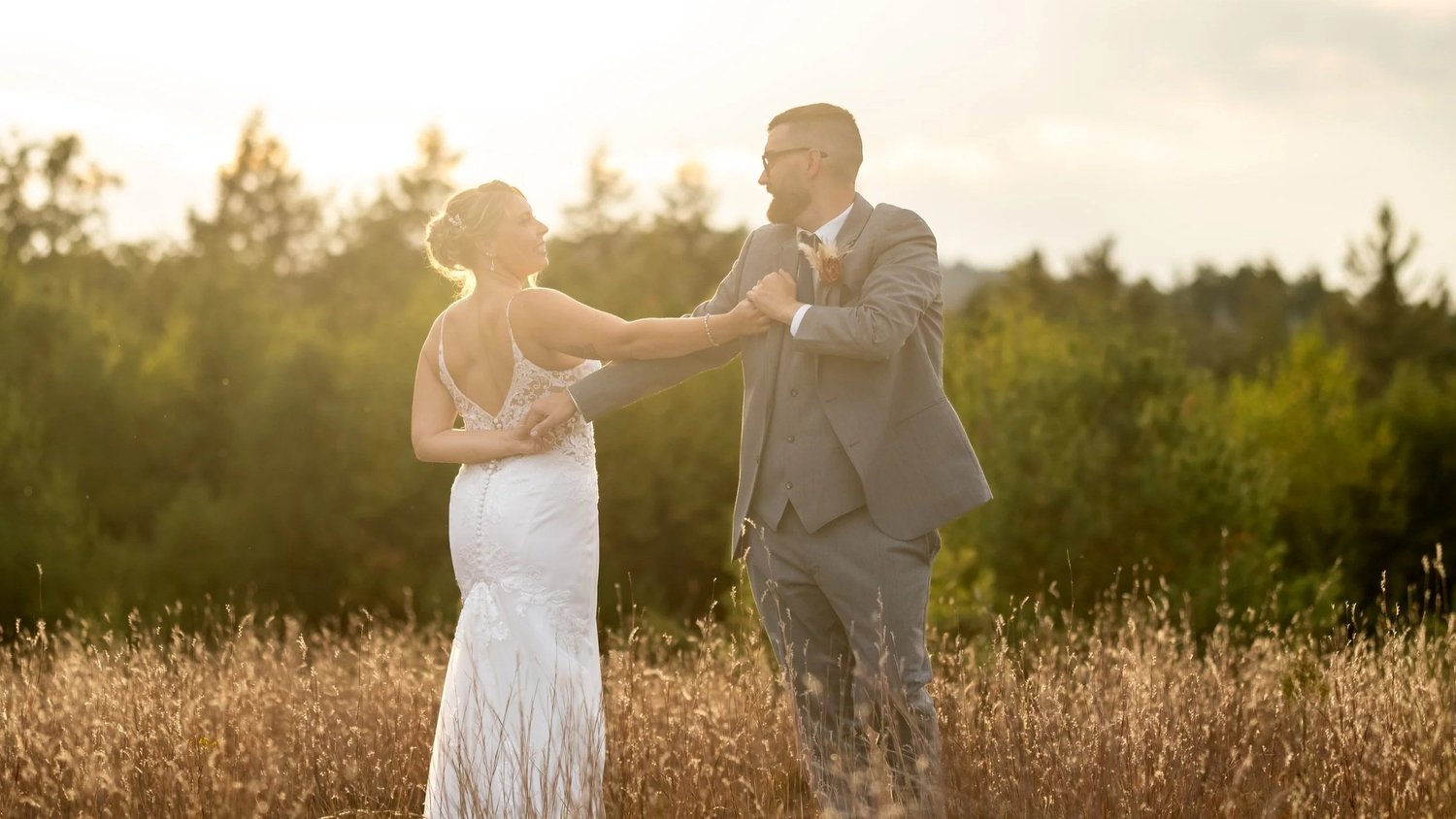
Cinematic
Emotional and creative, built to feel like a short film. Expect slow pacing, artful movement, and layered sound design.
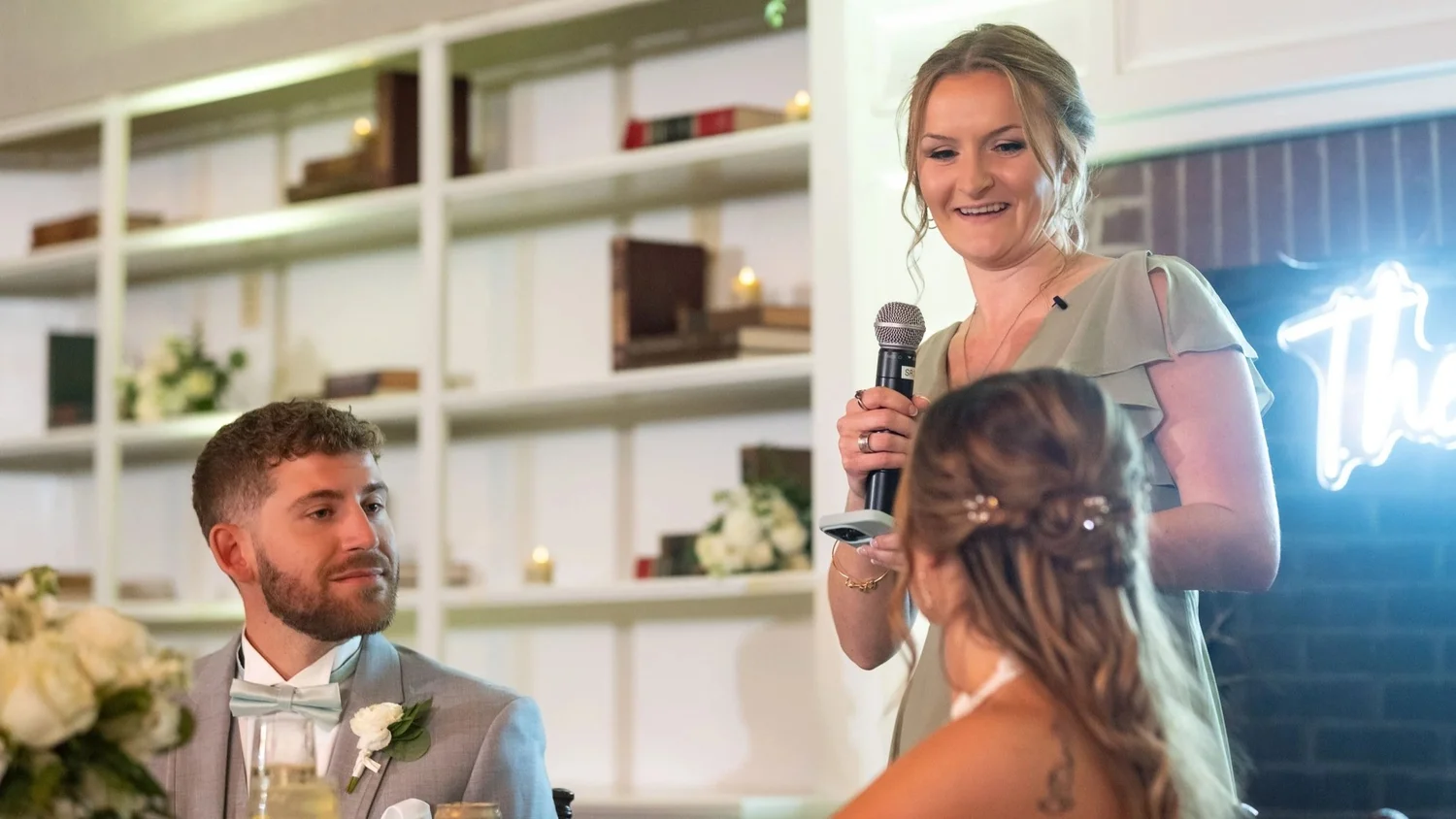
Documentary
Focused on recording the day as it unfolds. The full ceremony, the speeches, and the first dances, captured in real time.
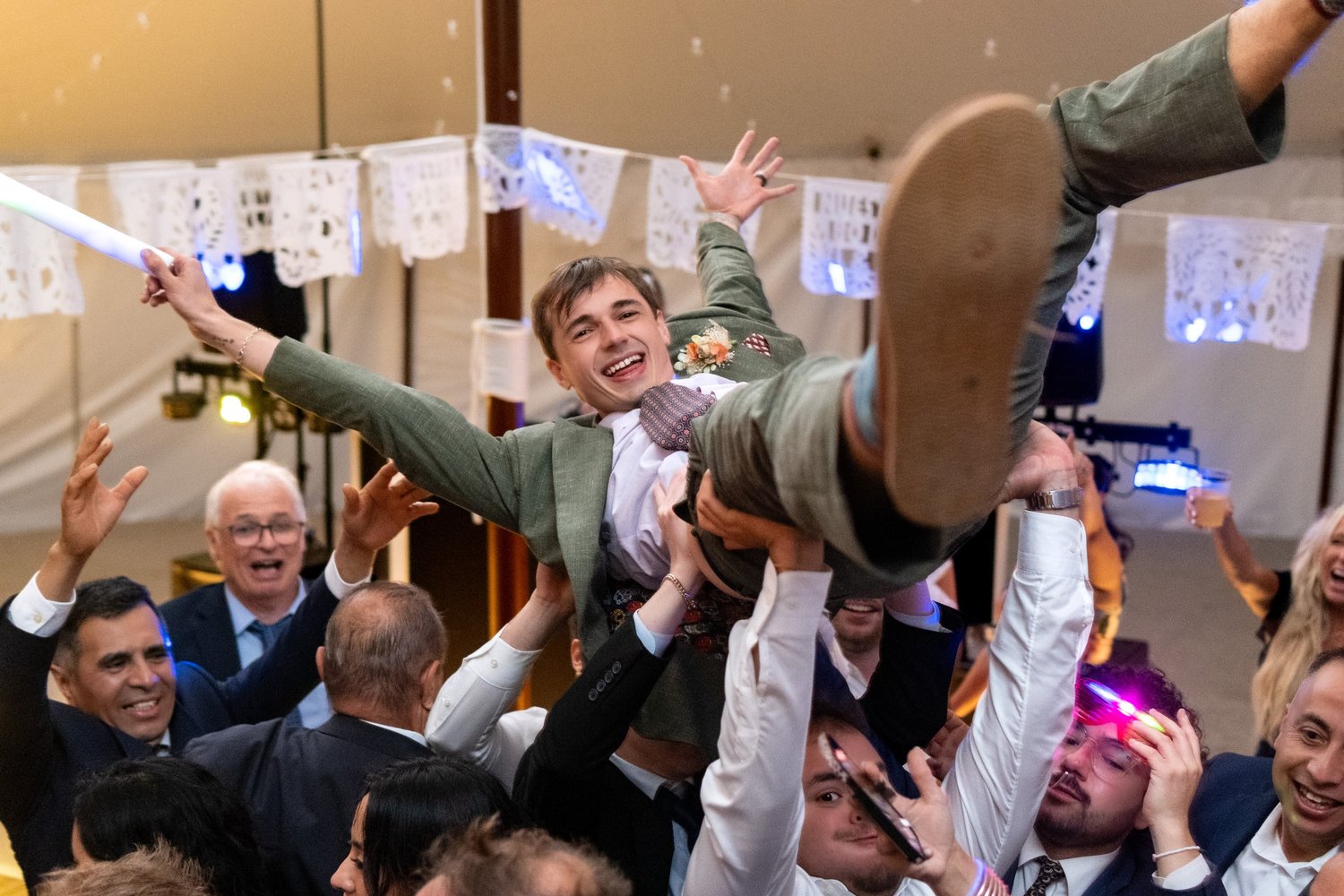
Hybrid
Many couples land on a blend. Cinematic for the emotion, documentary for the memory. The balance comes down to how you want to relive the day.
The best wedding films feel like your memories, not a production.
Why the numbers move around
Wedding videography ranges widely in price, and it is not always clear why. A few things tend to drive the cost.
Experience & team size
A seasoned team knows how to anticipate moments and adjust when the day shifts under them.
Coverage hours
More time on site means more footage and more editing on the back end.
Number of videographers
Two or more cameras give better angles and make sure no moment gets missed.
Editing & deliverables
A highlight film, a documentary edit, and a teaser each take a different amount of time to build.
Audio & lighting quality
These are what lift a film from amateur to professional, and they are easy to underestimate.
What is actually included
Two packages at the same price can hold very different things. Read past the number.
One thing worth doing: compare what is included, how each team captures audio, and how they edit. Not just the price on the page.
Sound is half the film
Most couples picture the visuals first: the dress, the venue, the light. Sound carries just as much. The laughter, the vows, the cheers are what bring a film to life. We record your day in layers so nothing gets lost.
Direct feed
A clean line from the DJ or band, balanced to what guests actually hear. This is the base layer everything else sits on.
Lavalier mics
Hidden, reliable mics that capture vows, toasts, and first looks naturally, without pulling anyone out of the moment.
Ambient mics
Directional mics that hold the warmth of the room. The laughter, the applause, the emotion as it happens.
Your film should sound as good as it looks, because emotion lives in the audio.
Fifteen worth asking
Here is what is worth asking any videographer before you book, plus why each one matters and what to listen for when you compare teams.
What is your filming style over the course of the day?
Every videographer approaches a wedding differently. Some lean into cinematic storytelling, with slow, emotional, movie-like moments. Others work in a more documentary style.
The best wedding films find a balance. For highlight or teaser films, I lean into cinematic movement and lighting to build something dreamy and emotional. But I keep a documentary mindset so the ceremony, the vows, and the first dance are captured in full, with multiple angles and clean audio.
Why it matters: you get one shot at the day. A good videographer should be able to hold both the emotion and the full story without missing anything.
How do you adjust to the vibe of the day?
Every wedding has its own rhythm. Some are calm and intimate, others are loud and fast. Your videographer should be able to read that energy and move with it.
I describe my approach as fly on the wall with guidance. I blend in quietly when that is what the moment needs, but I will step in to guide you into good light or shape a moment so it looks as good as it feels. The goal is for it to feel like a friend is filming, not a crew trailing you around.
What makes a wedding film timeless instead of trendy?
Trendy edits come and go. A timeless film still feels real twenty years later. Ask how a videographer balances creativity with storytelling that lasts.
When I edit, I focus on honest emotion and natural pacing. Every shot should help you relive the day, not just watch it. Lighting, movement, and sound should feel true to your experience, not like a copy of whatever was popular online that year.
What is included in your packages, and what affects pricing?
Price varies a lot, and not all packages are built the same. When you compare, ask:
- How many hours of coverage are included?
- Is there one videographer or a full team?
- Are travel or drone fees extra?
- What edits are delivered: highlight film, full ceremony, speeches, teaser?
- Is professional audio included?
One thing to keep in mind: cheaper does not always mean better value. Look at experience, consistency, and how a team handles lighting, audio, and editing. Those details make the biggest difference in quality.
How big is your team, and how do I know what is right for my wedding?
The number of videographers you need depends less on how big your wedding is and more on how the day is structured.
Some smaller weddings still benefit from more than one videographer, especially when things happen in different places at the same time. If one partner is getting ready offsite while the other is at the venue, or the ceremony and reception are in separate spaces, a team makes sure nothing is missed and the transitions stay smooth.
Other weddings, where everything happens in one place or the guest list is small, might only need one or two people. With around thirty guests, a four-person crew can feel more like paparazzi than storytellers, and that pulls you out of the moment.
That is why we scale coverage to your day instead of locking you into a standard team size. Sometimes a hybrid works best: three videographers for morning prep, details, and ceremony angles, then one or two heading out once the evening slows down.
How do you handle lighting throughout the day?
Lighting changes how your film looks completely. Ask how a videographer works in low light, bright sun, and dim indoor spaces.
We use off-camera lighting during the darker parts of the day, like toasts and first dances, to keep everything clean and flattering. We also plan around golden hour to catch that soft light that gives a film its cinematic look.
What is your approach to sound and audio?
Clear, emotional audio is what separates a polished wedding film from an average one. Ask what a videographer uses to capture vows, speeches, and natural sound.
At VMG, we record in layers: a direct feed from the DJ or band, lavalier mics for the key moments, and ambient mics for the laughter and applause. Those layers get blended so the film sounds as real as it felt.
Do you offer drone coverage, and are you licensed?
Drone footage adds real perspective, but the operator needs to be licensed and insured. Some venues also require permits.
We use drones for cinematic establishing shots when conditions allow, and we always put safety, guest comfort, and the venue rules first.
What do you actually deliver, and can you tell a full story?
Not every videographer offers the same finished film. Knowing the difference helps you compare packages clearly.
Some focus only on highlight films: short, emotional recaps that blend music and quick edits. They can be beautiful, but they are only part of the story.
Ask whether a videographer also offers documentary edits with full coverage of the ceremony, speeches, or dances. Those are the moments you will want years later: the vows, the laughter during toasts, the reactions that never fit into a short highlight.
A skilled videographer should do both. Cinematic touches should lift the story, not cover for missed footage or weak audio.
Good questions to ask:
- Do you film and deliver full-length edits of key moments like the ceremony or speeches?
- How do you balance b-roll and natural audio when telling the story?
- Is your highlight film built from strong documentary coverage, or does b-roll fill the gaps?
B-roll should be a creative choice, not a way to hide missing coverage. The best films come from consistent storytelling, solid coverage, and an editor who can craft both short and long-form pieces that hold up over time.
How do you work with photographers from other companies?
A good videographer knows how to collaborate. We always aim to move smoothly alongside the photographer so the day flows.
Everyone on our team has shot both photo and video, which helps us anticipate what a photographer needs while still getting what we need for the film. Some photographers like motion in their posing, others are more traditional. Either way, we adapt. We all want the same thing: your story captured well.
What is your payment schedule?
Every company handles this differently, but most work from a booking fee and a balance.
We take a booking fee to hold the date, with the balance due before the wedding. The key is transparency. Your payment schedule should be clear, simple, and written into the contract.
How long does it take to get the finished films?
Turnaround runs from a few weeks to several months, depending on the season and the depth of the edit.
Ask what your timeline includes: teaser, highlight film, full documentary edits, social clips. Quality editing takes time, but clear communication sets the right expectation.
How do you back up and protect our footage?
Ask how a videographer stores and backs up your footage. Couples rarely think about it until it is too late.
We record to multiple memory cards at once and back everything up that same night to separate drives and cloud storage. It is not the glamorous side of the work, but it is what protects your memories.
What happens when things do not go perfectly?
No wedding day runs exactly to plan. Weather, timing, and sound systems all create challenges. What matters is how a videographer handles them.
Many of the systems and backups we use came from lessons learned early on. Every improvement started with one question: how do we make sure this never happens again? You want someone who is honest about their process and steady when the day shifts.
What makes your work different from other videographers?
This is the most important question to ask, and the answer should go deeper than our style.
At VMG, we build a film that feels like you. Every choice, from camera angles and sound design to pacing and color, comes back to authenticity. It is not just about what happened but how it felt.
Let's start the conversation
We hope this guide helps as you plan your wedding and find the right team to capture your story. Choosing a videographer is about more than a style. It is about finding someone you connect with and trust to tell your story honestly. If our work feels like your kind of thing, we would love to talk.
Let's ChatMore guides as they're ready.
No regular newsletter. When new planning guides go up or sessions open, I'll let you know. That's it.