Wedding Day
Timeline Planning
How timelines actually work, where time gets lost, and how to build breathing room into the day without stress.
Most wedding timelines are built on optimistic assumptions. Hair and makeup will run on time. The venue is only 10 minutes away. Guests will be seated quickly. When one of those assumptions is wrong, everything downstream compresses — and the parts that get cut are usually the parts that mattered most.
This guide covers how time actually moves on a wedding day, where it tends to disappear, and how to build a schedule with enough slack to absorb the unexpected without losing anything important.
Why Timelines Fall Apart
The most common version goes like this: getting ready runs 30 minutes late. Portraits get compressed. The couple misses most of cocktail hour because they're still finishing family formals. The reception starts behind schedule. The day begins to feel rushed right at the moment it should feel celebratory.
This doesn't happen because anyone was careless. It happens because wedding timelines are almost always built around best-case estimates, and weddings rarely perform at best-case. There's no traffic. No one misplaces the rings. The flower girl cooperates. Hair and makeup finishes exactly on time.
The biggest factor nobody plans for is the human one. Not mistakes — just people being people. A bridesmaid needs to use the bathroom right when it's her turn in the chair. The father of the bride gets caught up talking to Uncle Andy and isn't where he's supposed to be when the processional is about to start. Someone wanders off after the ceremony and needs to be tracked down for family formals. None of these things are anyone's fault. Each one is small on its own. But moments add up — every small pause, every brief detour, every two-minute wait moves the goalpost just slightly further down the field.
A good timeline doesn't prevent any of that — it creates enough slack that none of it costs you anything that matters. The goal isn't a perfect schedule. It's a schedule with room in it.
A shot list alone isn't enough — the people on it need to know where to be and when. Brief family before the ceremony so nobody wanders off afterward. If someone starts suggesting extra groupings on the fly, those can always happen during the reception when there's no clock running. Protect the formals window for the list the couple actually decided on. The goal is to respect everyone's time — get people in and out efficiently so they can get back to the drinks and company they came for.
Getting Ready
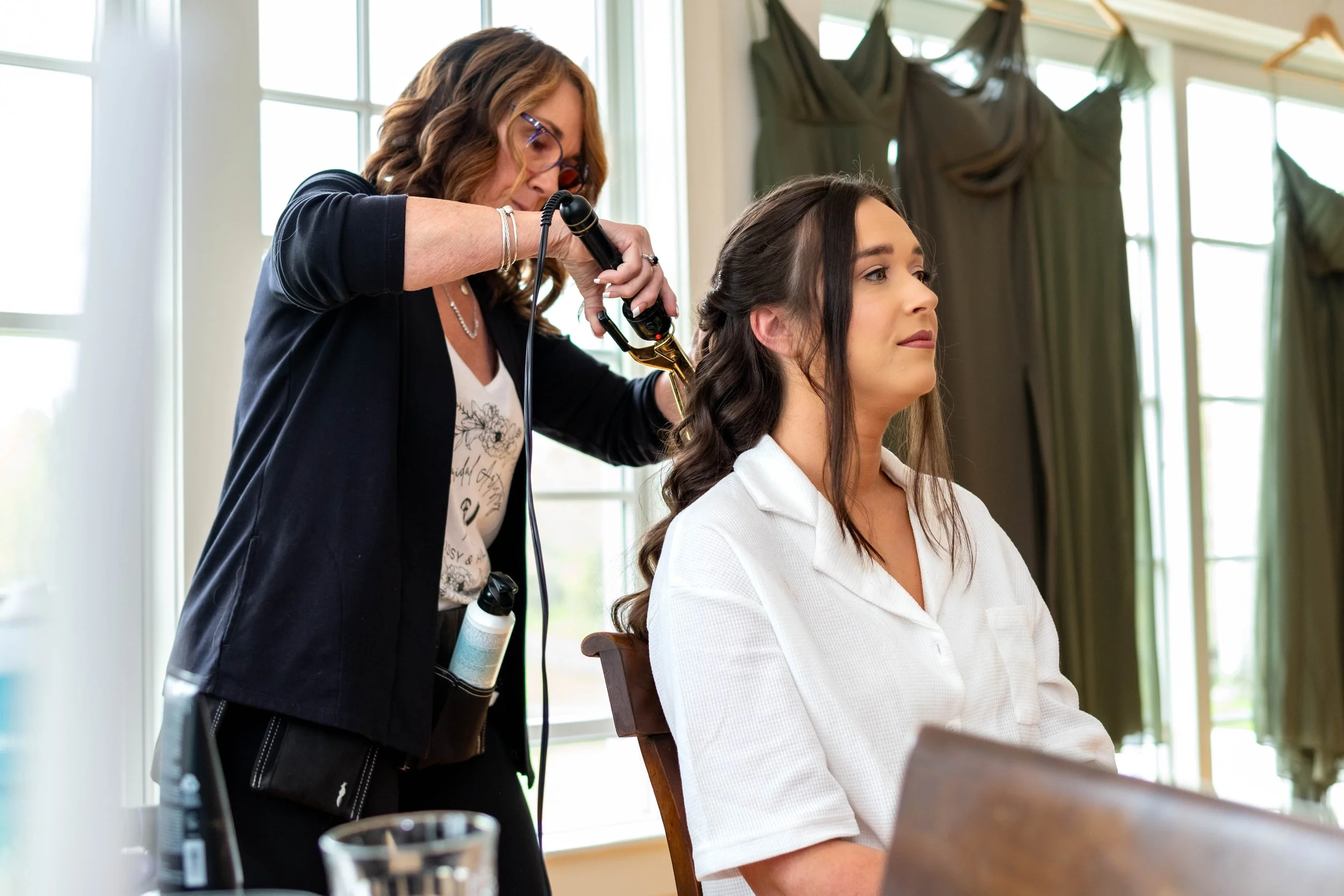
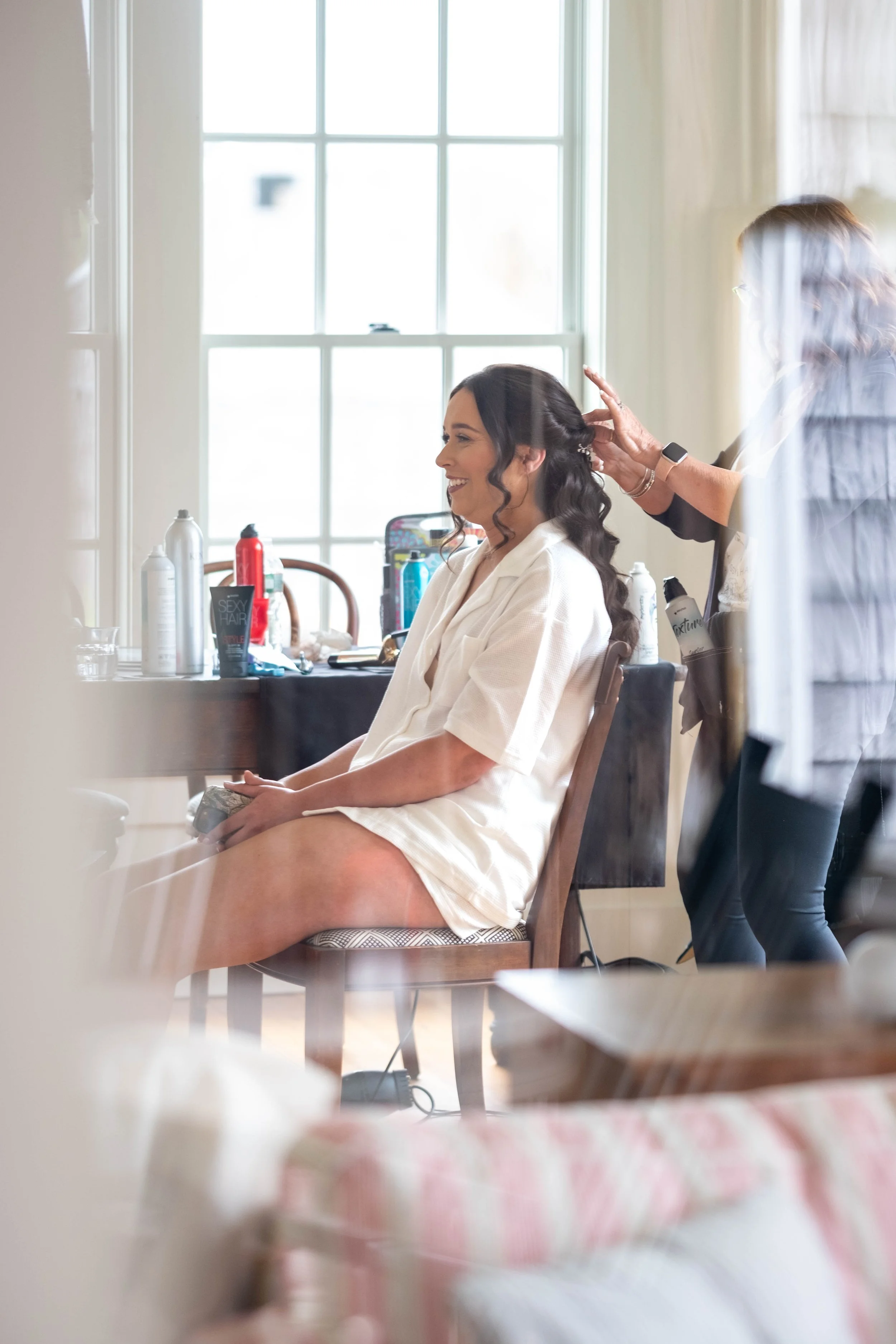
Getting ready is almost always the first item on the timeline and the first place time gets lost. Hair and makeup takes longer than most couples budget for — not just the bride, but bridesmaids and mothers each have their own chair time, and no two people move through at the same pace. Bridesmaid A might take 25 minutes. Bridesmaid B might take 45. Build those differences in rather than assuming everyone averages out.
The most useful thing you can do before the wedding day is ask your hair and makeup team exactly how long they need per person, add that up honestly, and schedule backward from when you need to be ready. If the total is 4.5 hours and you need to be dressed and photographed by 1pm, the first person sits down no later than 8:30am — not you, the first person. Then add wiggle room on top of that estimate, not inside it.
There are two approaches, and both have merit. Some artists prefer to do the bride last — she has the most time and effort involved, so if earlier delays compound, her chair time is protected. Others prefer to start with the bride, get a strong foundation done at around 80%, work through the rest of the group, then come back for final refinement so everything looks its best at the same time. Ask your artist what they prefer and build the schedule around their answer, not the other way around.
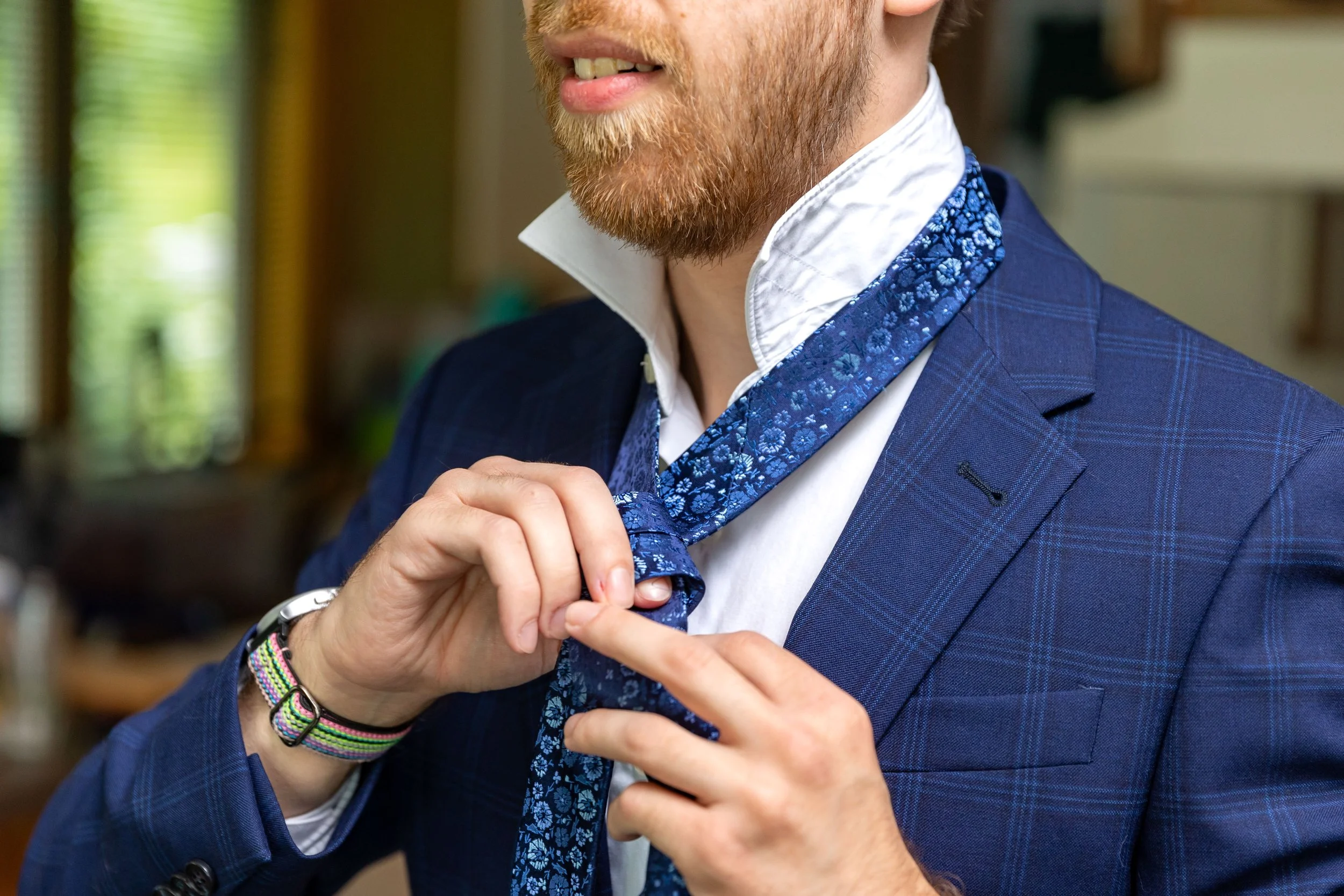
The photographer should arrive while the morning is still relaxed — not at the tail end of it. The candid moments of everyone getting ready together are best captured while the process is still unhurried. Makeup has its own natural rhythm and often works best as its own space; I work around it rather than into it.
Whatever order your artist prefers, build in more time than the estimate. Time estimates for hair and makeup are almost always best-case. A 30-minute buffer somewhere in the morning costs nothing if everything runs smoothly — and it saves the day when it doesn't.
The First Look Decision
Whether to do a first look is a deeply personal decision, and there's no wrong answer — we'll make either work beautifully. But it's worth understanding how that choice ripples through the rest of your day, because the timing implications are real and they affect more than just portraits.
Your portraits happen after the ceremony. That typically means 45–90 minutes of couple portraits and family formals carved out of cocktail hour or the early part of the reception. You'll spend that window with your photographer rather than with your guests, and the transition from ceremony to reception is occupied with logistics rather than celebrating.
You can complete most couples portraits and a significant portion of wedding party photos before your guests arrive. Cocktail hour stays largely intact — and any time that remains can be used for additional couple portraits, giving your gallery more variety without pulling time from anywhere else.
One thing worth knowing: grooms often hold their emotions back at the altar. Standing in front of 100 people, the instinct to stay composed is strong — and I can see it happening even when they're trying not to. A first look is private. Just the two of you. That privacy tends to let everything come out — the laugh, the tears, the quiet moment before the day takes over. Those are some of the most genuine photographs from any wedding.
Neither choice is wrong. But make the decision knowing the timeline implications, not just the sentiment. If protecting cocktail hour matters to you, a first look is almost always the right call.
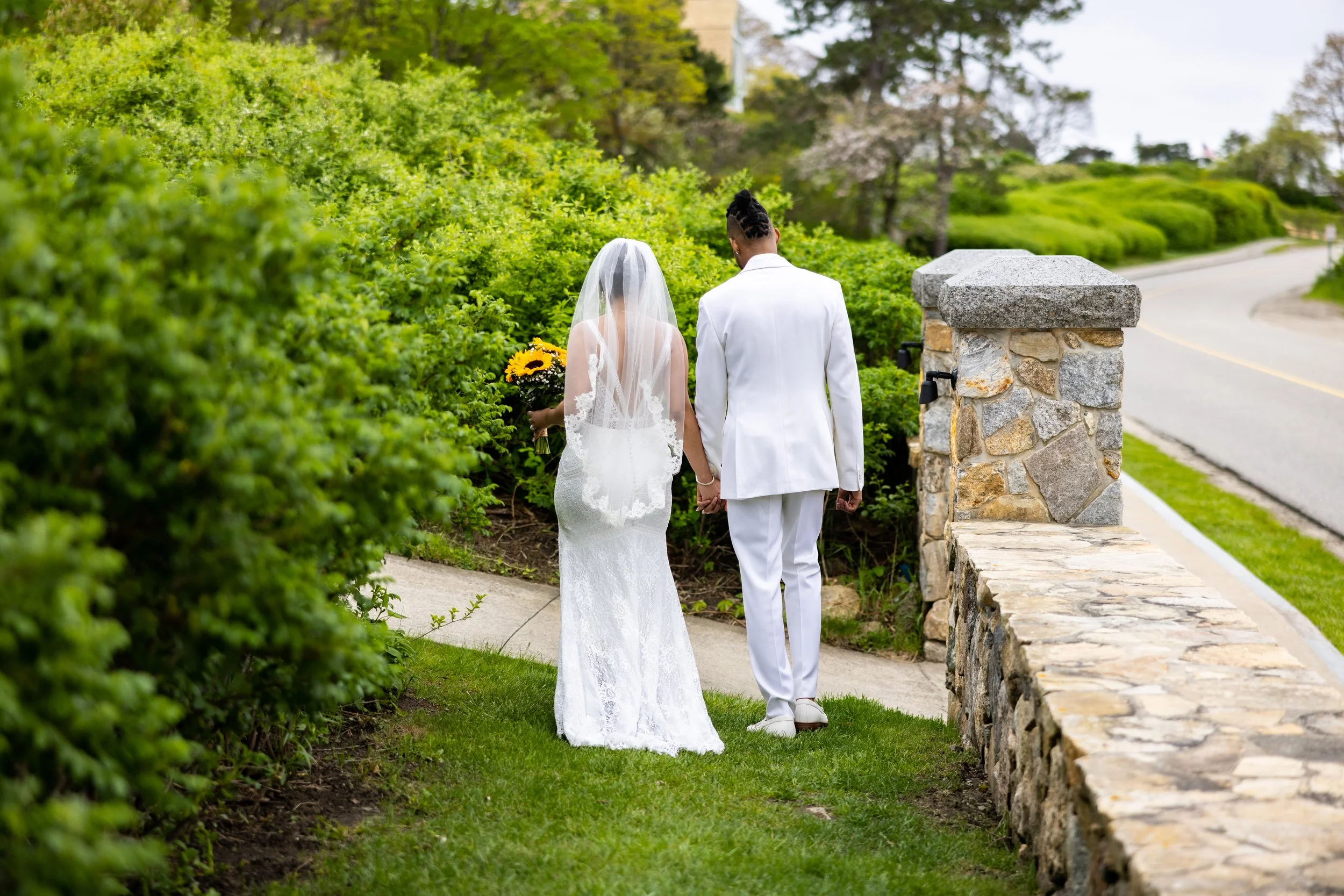
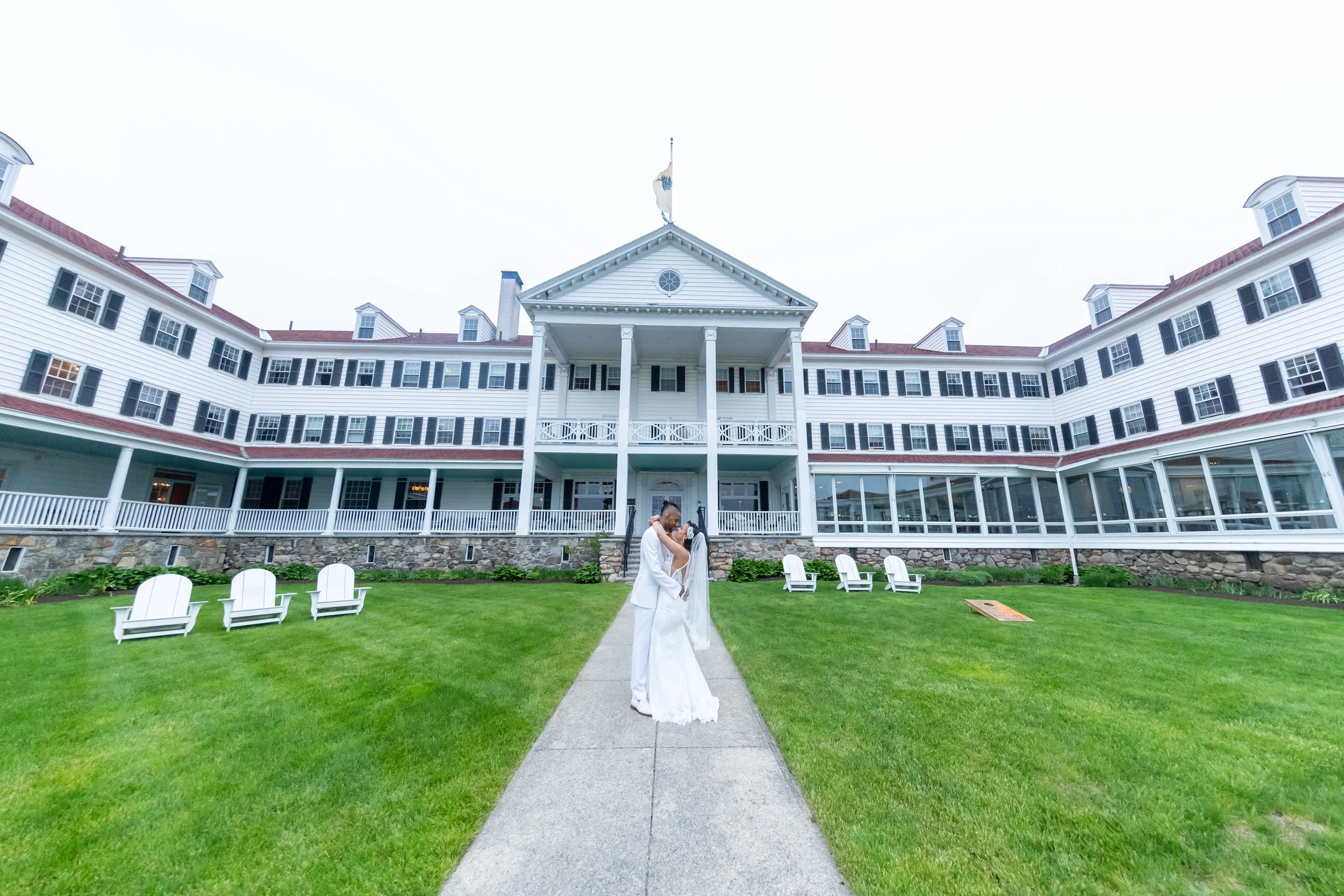
Ashley & Lamonta · The Colony Hotel, Kennebunkport ME
Portrait Time
Portrait sessions have three distinct parts, each with its own realistic time budget. Most couples underestimate at least one of them — and family formals almost always run longer than anyone planned.
Without a prepared shot list, the photographer has to prompt groupings in real time while someone is always missing, getting a drink, or in the bathroom. A written list handed to the photographer before the wedding — and a designated family wrangler on the day — cuts the time roughly in half.
The order matters too. I always work from the largest groupings down — starting with extended family and any friends who are only needed for one or two photos. Once they're done, they're dismissed and free to enjoy cocktail hour rather than standing around waiting. From there it moves to immediate family, then the wedding party, then the couple. Everyone who needs to be somewhere else gets there as quickly as possible. The people who stay until the end are the ones who were always going to.
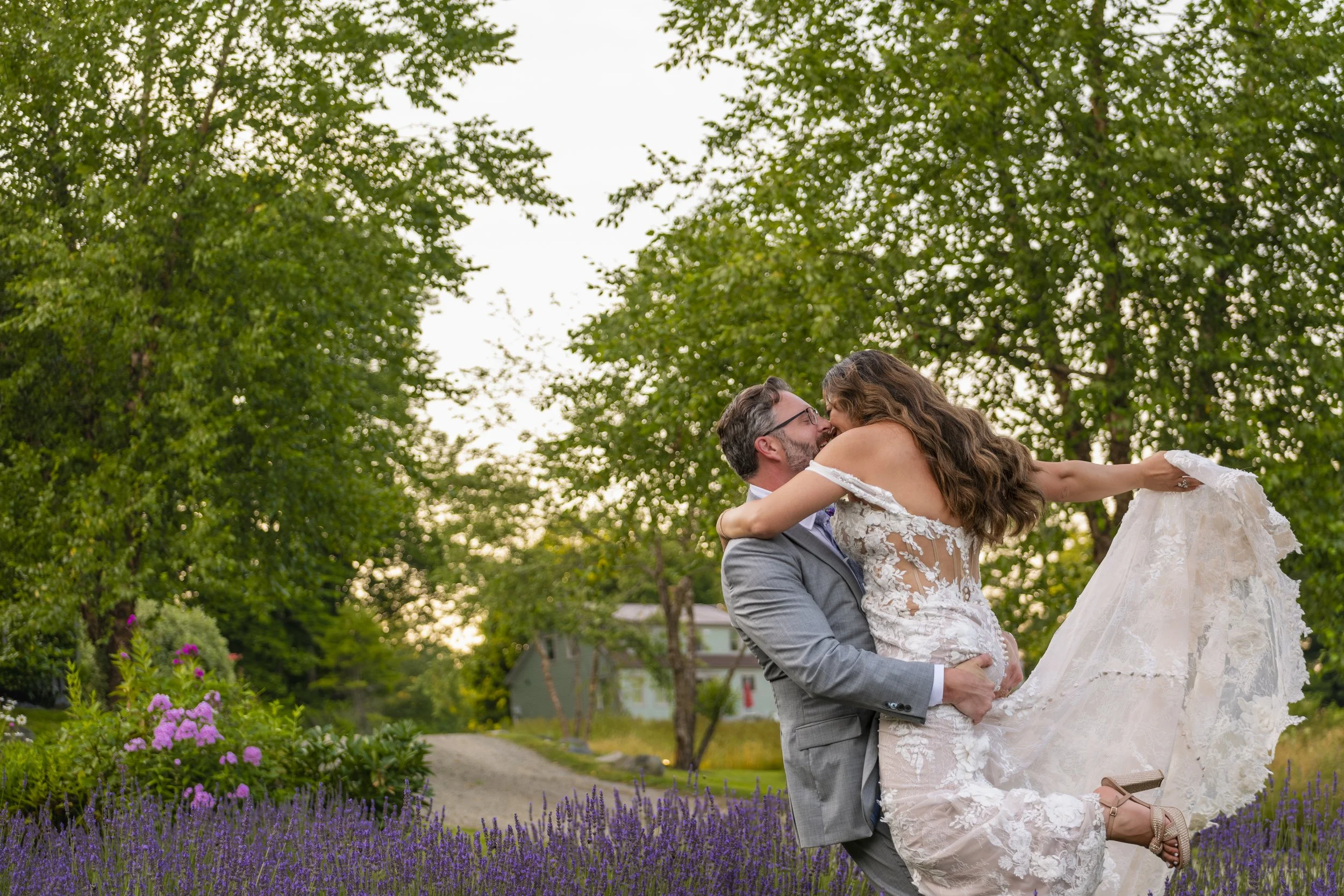
Golden hour portraits — if your timeline has room for them — are worth protecting even if it means stepping away from the reception briefly. The light is irreplaceable, the window is short, and those images are usually the ones couples come back to most.
Ashley & Lamonta · The Colony Hotel, Kennebunkport ME
The Ceremony
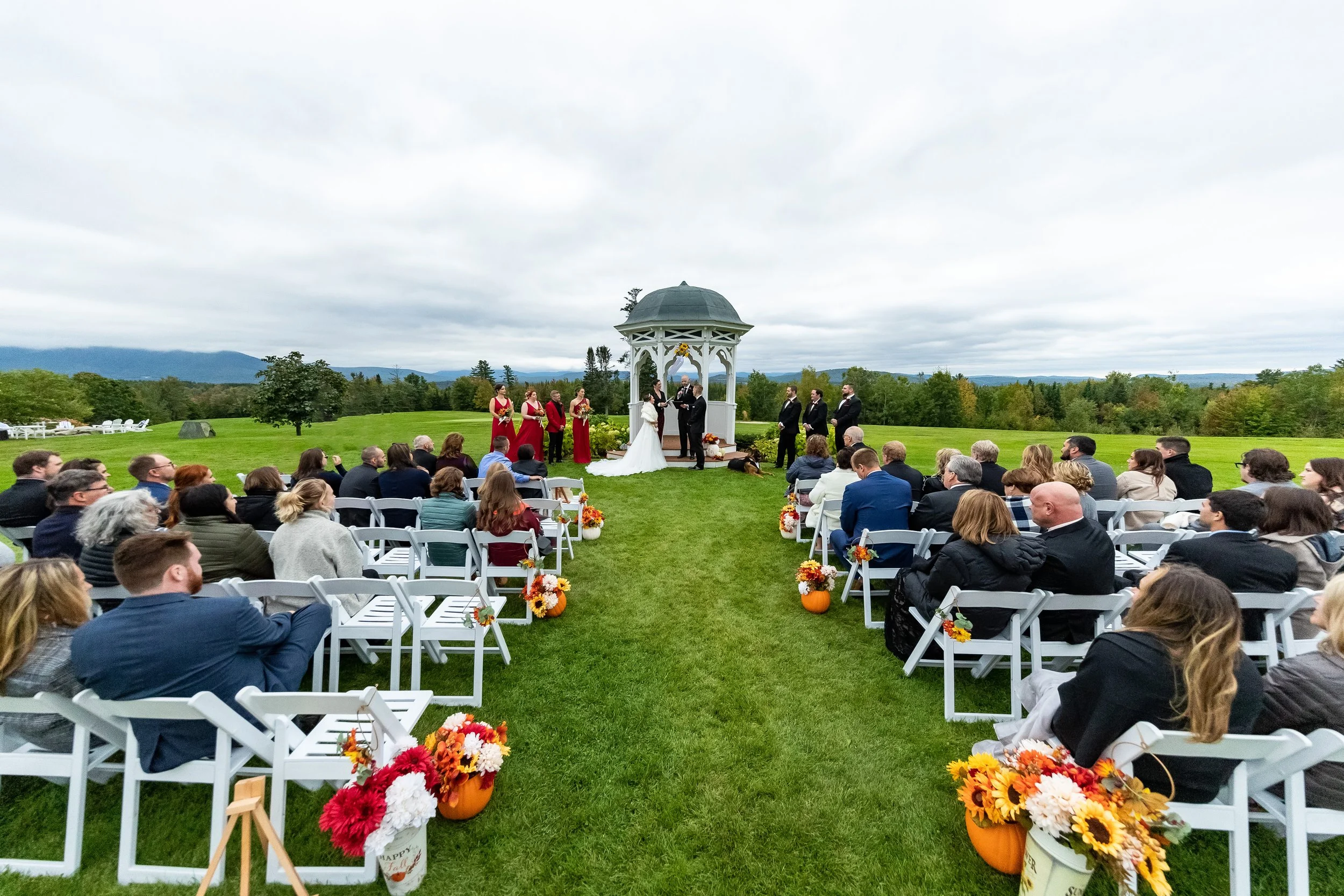
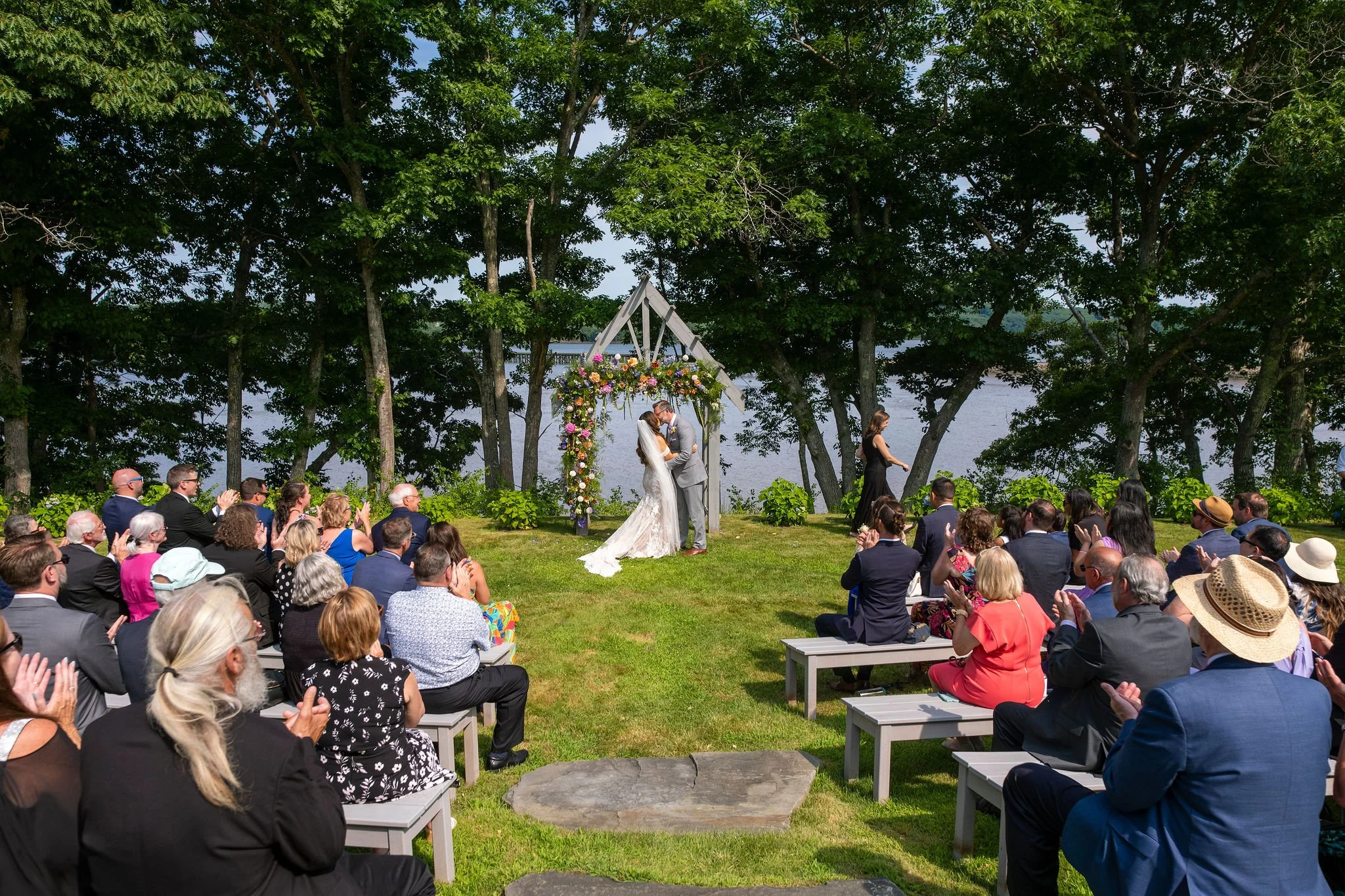
A 20-minute ceremony usually takes 45 minutes from first guests seated to recessional. The gap between those two numbers is where most couples are surprised. Guests arrive over a 15–20 minute window. The processional adds another 5–10 minutes depending on wedding party size. Then the ceremony itself. Then the recessional and guests clearing the space.
Talk to your officiant about actual expected ceremony length before building your timeline. If you have readings, musical performances, unity ceremonies, or extended personal vows, each adds real time. Ask directly — "how long do you expect this to run?" — rather than assuming a ceremony described as short will land under 20 minutes.
If you're considering asking guests to put phones away during the ceremony, the practical benefit is real. Guests holding phones up in the aisle block sight lines at the most important moments. An unplugged ceremony also tends to feel more present — guests are watching, not recording. A simple note in the program or a brief announcement from the officiant before the processional is usually enough.
Cocktail Hour
Cocktail hour is the most commonly raided part of the wedding day. When portraits run long, the time comes from here. When family formals take 20 extra minutes, it comes from here. When the ceremony ran over, it comes from here.
This matters because cocktail hour is one of the few moments in the day when guests are relaxed and socializing without watching you perform something. It's also often the only window where the couple gets a private moment — a drink, a breath, a few minutes together before the reception floor opens. When that window disappears, the day starts to feel like a series of obligations rather than a celebration.
Build your portrait plan to be complete before cocktail hour starts, or at worst to run no more than 15 minutes into it. If you're doing a first look, this is almost always achievable. If you're not, be honest about how long family formals will realistically take and schedule accordingly — even if that means starting portraits earlier in the afternoon than originally planned.
Ask your caterer or coordinator to set aside a small plate of appetizers for the couple. If you're running portraits through cocktail hour, you'll be hungry well before dinner — and dinner is still a long way off.
The Reception
Grand entrance, first dance, toasts, dinner, cake, open dancing. The order you stack these in shapes the entire feel of the evening — and it has more impact on golden hour timing and dance floor energy than most couples realize when they're building the schedule.
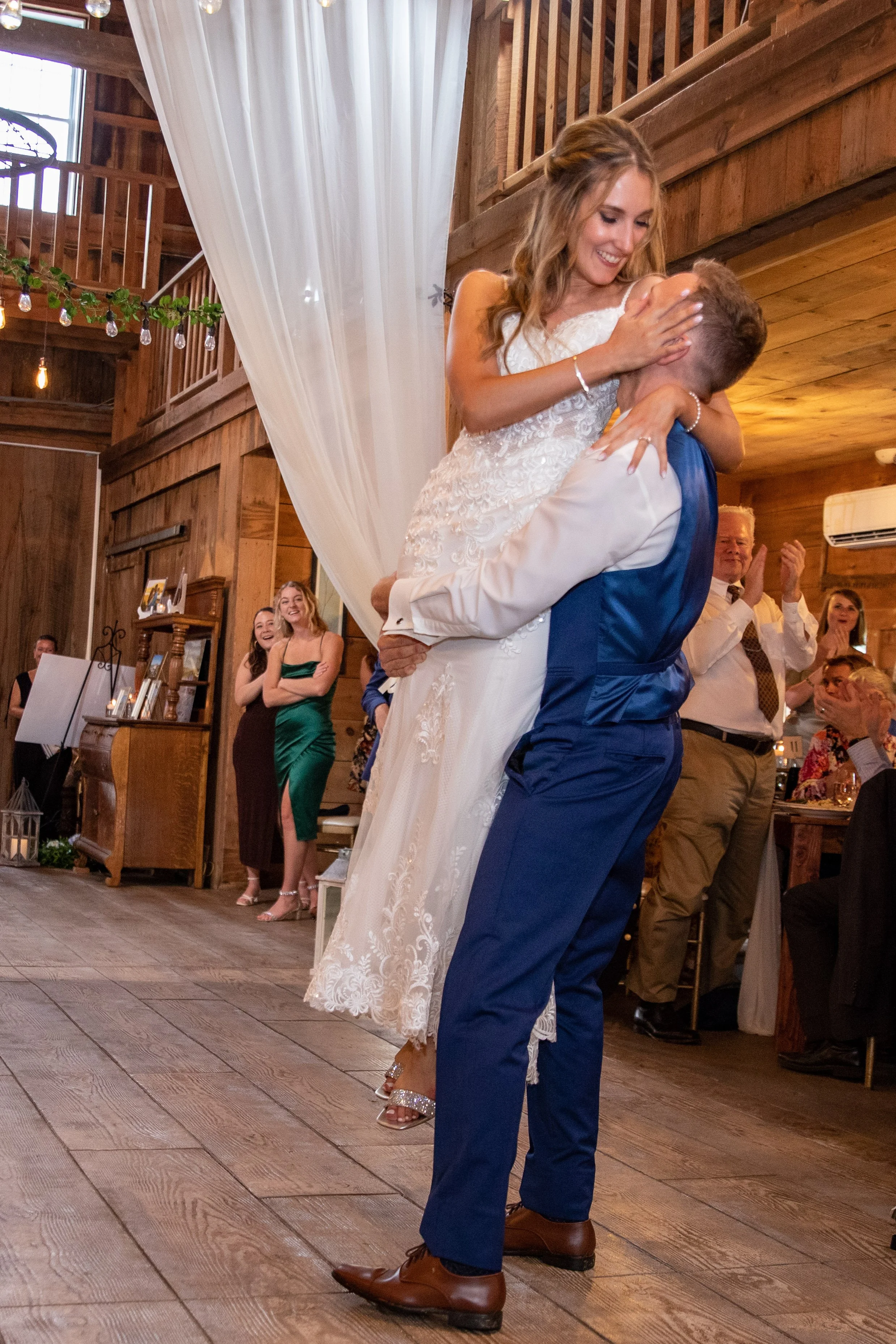
Grand entrance, first dance, parent dances, and toasts all before the meal. It feels counterintuitive, but it works. Guests are fresh, attentive, and haven't been sitting for an hour. The formal moments land better earlier. And once dinner is done, the evening opens up — sunset portraits with the couple, cake cutting, and then the dance floor without anything left on the agenda to interrupt it.
Budget 5 minutes per speaker and assume it'll run longer. Two toasts scheduled for 10 minutes typically land closer to 15–20. If you have three or more speakers, a brief conversation in advance about expected length helps — not to restrict them, but so they can plan.
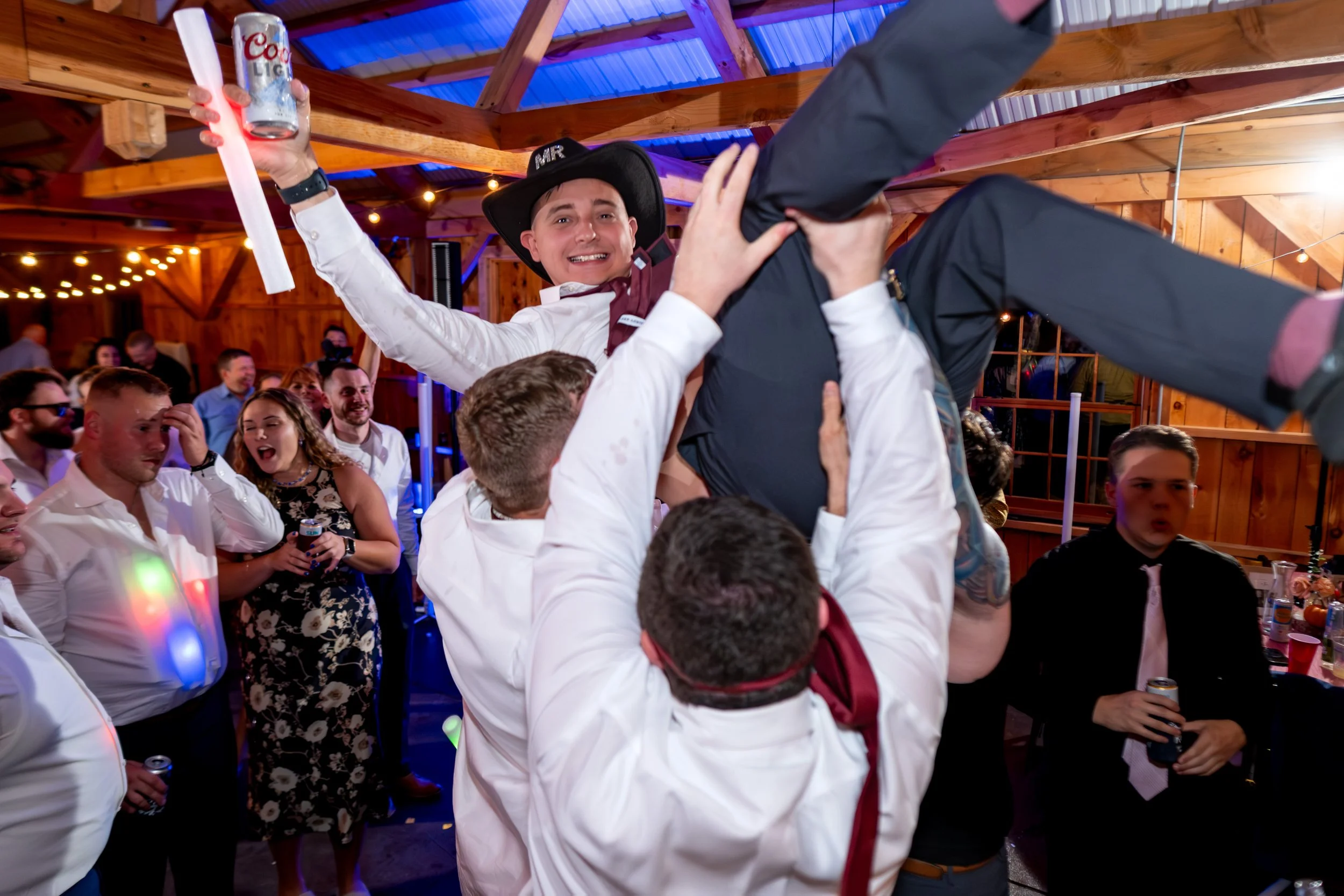
Thirty to sixty minutes of open dancing is the sweet spot for photography coverage. Enough time to capture a real mix — slow songs, fast songs, the full floor and the quiet corners — without waiting for the point where things get loose and the beer starts spilling. A focused window of great dancing photographs better than three hours of it.
These are starting points, not rigid schedules. Every venue, season, and family is different. The goal is to understand how the pieces connect so nothing that matters gets squeezed out.
Buffer Time
Every professional wedding timeline should have 15–20 minutes of unassigned time somewhere in the day. Not scheduled for anything — just buffer. It's not a luxury. It's what separates a timeline that works from one that requires everything to go perfectly in order to stay on track.
The middle of the day, not the end. Between getting ready and portraits, or between portraits and the ceremony. By the time you'd need end-of-day buffer, the structure of the day is mostly fixed anyway. Buffer built into the afternoon means a late-running hair appointment, a longer-than-expected drive, or family formals that took twice as long as planned don't affect anything that comes after.
When nothing goes wrong, buffer time disappears and nobody notices. When something does go wrong, it means you don't have to make a hard choice about what to cut. Budget for things to go sideways. Enjoy it when they don't.
Notes from the Field
After photographing hundreds of Maine and New England weddings, a few things come up consistently in days that run well versus days that don't.
Your caterer, DJ, florist, officiant, and hair and makeup team should all have a copy at least two weeks out. Surprises that come from miscommunication are the most preventable kind. When everyone knows when dinner is supposed to start, when toasts are scheduled, and when dancing opens, the day runs more smoothly without anyone having to coordinate in the moment.
Not what time the reception starts — what time you actually want people on the floor. Those two times are often 90 minutes apart. If you want dancing by 8pm, say that explicitly so the DJ can help move through the earlier parts of the evening at the right pace.
If you're working with VMG, tell us where the constraints are. We can work faster when we know what's at stake — prioritize certain groupings, move efficiently between locations, make judgment calls in the moment. But only if we understand the shape of the day. A timeline shared in advance is worth more than any amount of rushing on the day itself.
Not always. But often enough that it's worth keeping them. The transition time between getting ready and portraits, the buffer before the ceremony, the extra window you built in and then second-guessed — these feel like slack on paper. On the day, they're the difference between arriving at the ceremony composed and arriving breathless.
More guides as they're ready.
No regular newsletter. When new planning guides go up or sessions open, I'll let you know. That's it.